Group leaders and faculty
A faculty website of your own, with your research lines, your talks and your publications. It links to your lab website if you have one, or does its job until you do.
Your own website, not a profile page on your university's site. Your research, your publications and your story on one fast, beautiful page that people remember.
Group leader positions, grants and invitations often go to the candidate people remember. A personal academic website is where a committee member, a journalist or a future student lands after hearing your name. It should tell them, in seconds, who you are and why your work matters.
I was a researcher for more than ten years. I know the CV, the papers, and the skills that never make it onto a CV, and how to show them without sounding like an advert.
A faculty website of your own, with your research lines, your talks and your publications. It links to your lab website if you have one, or does its job until you do.
A clear message for your next move, with the research you want to lead, the skills behind it and how to reach you. The page you send with every application.
For when journalists, organisers and funders look you up. One place with your bio, your photos, your talks and your media, kept current.
The first thing a visitor reads. Not your job title, but what you work on and why it matters.
Two or three research lines that a scientist from the next field understands, with the detail one click away.
The papers you want people to read first, then the full list, easy to keep up to date.
Proof that you can explain your work, the thing committees and organisers look for.
Your career at a glance, and an email address that is one click away.
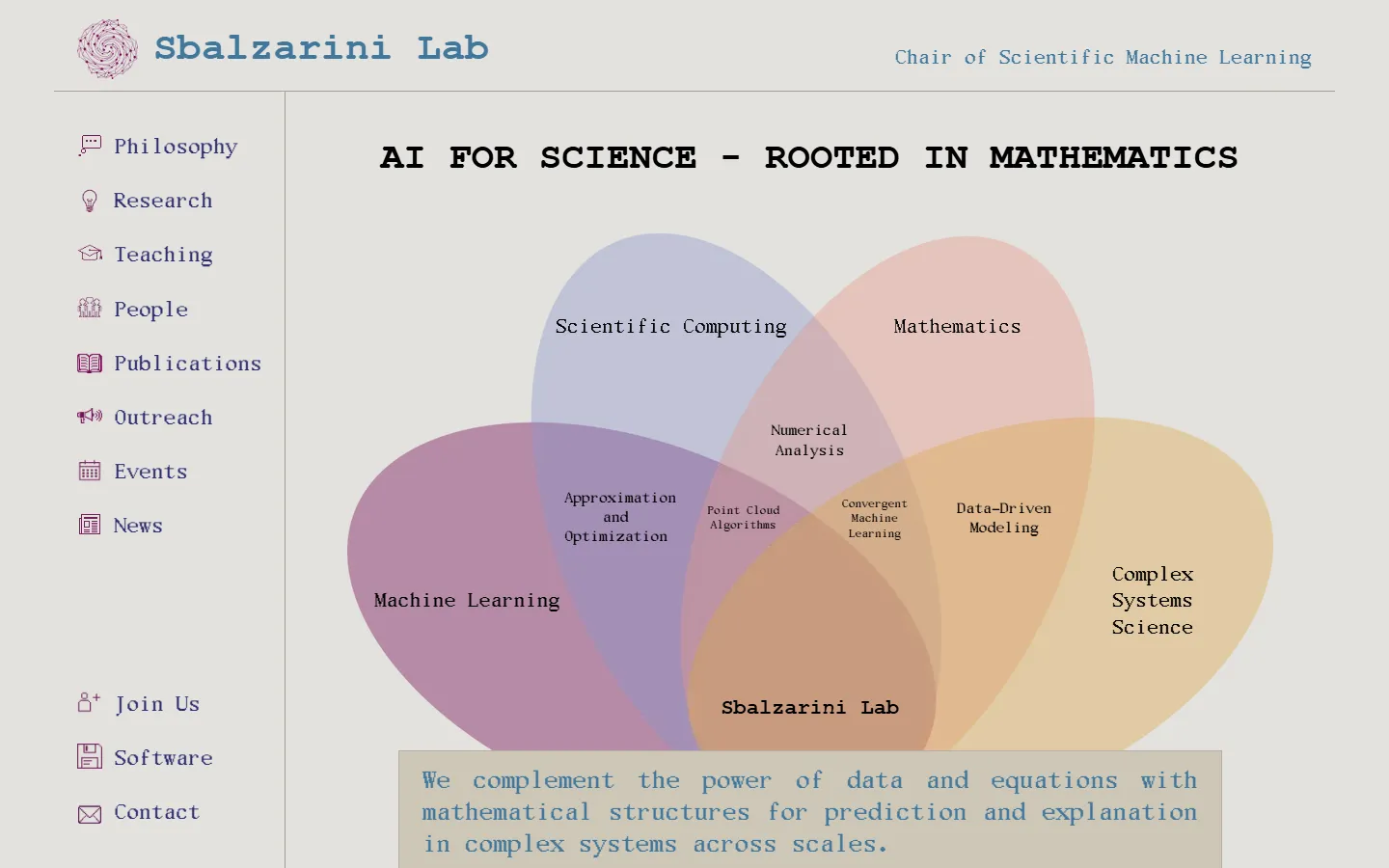
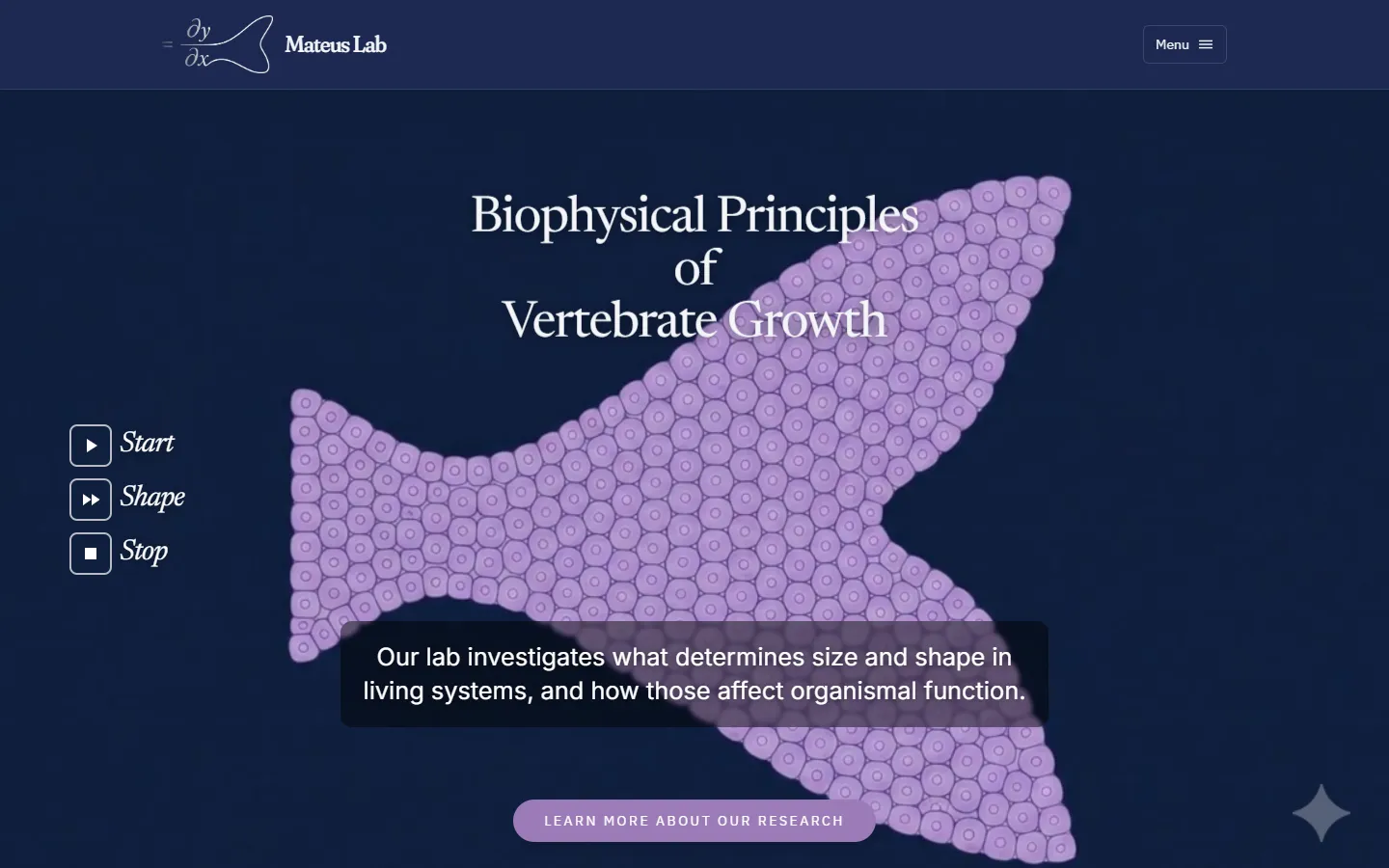
The websites I designed for two group leaders. A personal website gets the same care, on a smaller scale.
One meeting about your research, your career and who you want to reach, then an in-depth study of your work.
I make a first design of your page. We review it together and repeat until you are happy with it.
A final check, a short training on how to edit your website, and the launch.
Your university page belongs to your university, with its template and its order, and it disappears when you move. Your own website moves with you, from postdoc to group leader, and shows your work the way you choose.
You can. al-folio, Hugo Blox, academicpages and Quarto are free and popular with researchers, and if you enjoy tinkering they are a good choice. They take evenings to set up and to keep running, and the result looks like every other site built on them. I build yours around your research and keep it easy to update.
Your name, if you can get it, such as yourname.com or yourname.org. It is short, it is yours, and it stays when you change institutes.
Through an admin page I set up for you, where a new paper or talk takes a few minutes. Or with FermiBot, which makes the change when you send it a chat or a voice message.
Weeks. A personal academic website is the smallest project I do, one researcher and one fast page, so it is usually the quickest.